Discover

Ever wondered what’s waiting to be discovered in the Ouse Burn Valley?

It is a place rich in history, nature and potential.

Stretching 7 miles from the banks of the River Tyne at Ouseburn all the way to Weetslade Country Park and The Letch in Longbenton, discover more about the places that make the Ouse Burn Valley so special – and how it’s shaping a greener, more connected future.
Jesmond Dene is a much-loved green space, rich in history, wildlife and community – but there’s more to discover.


Where is Jesmond Dene?

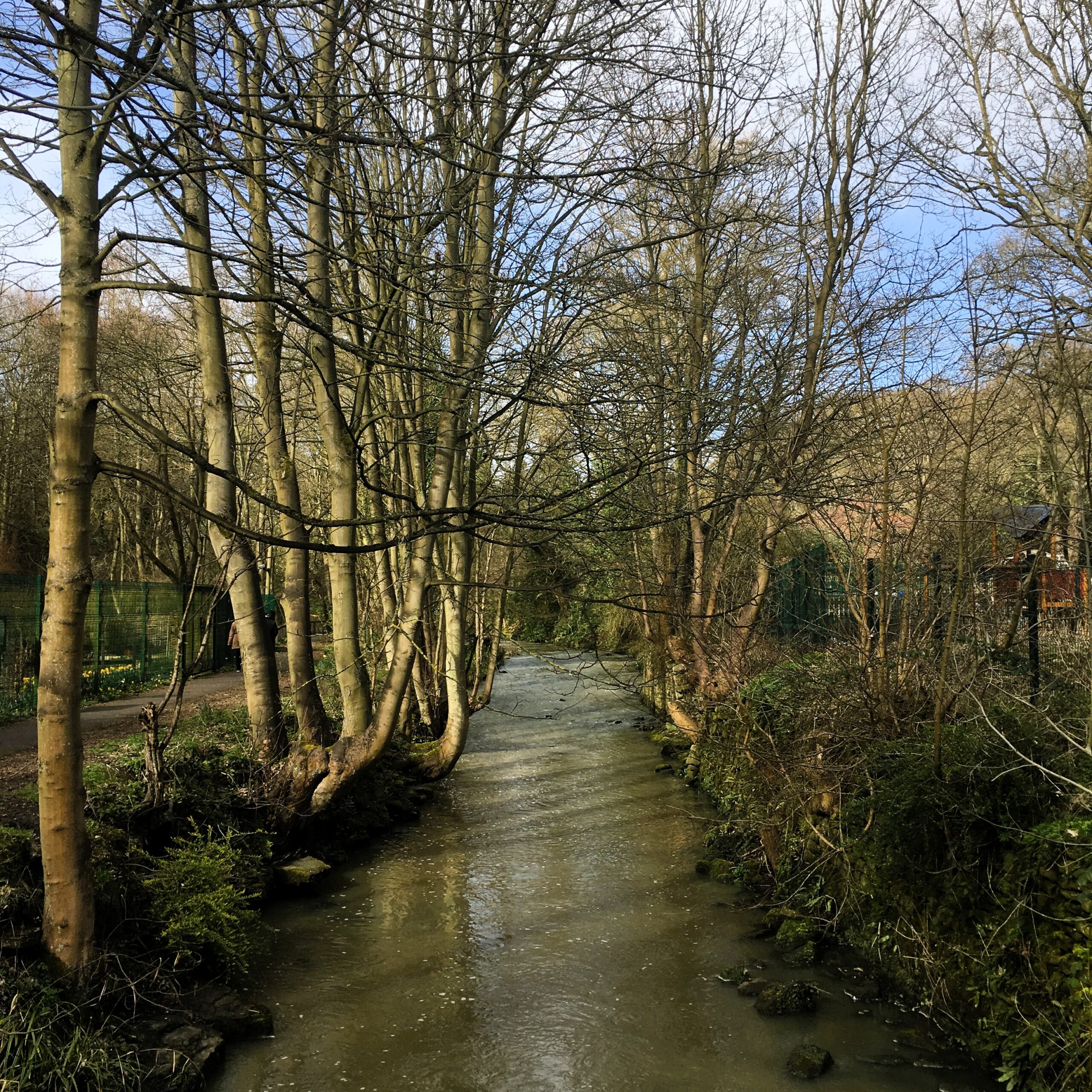
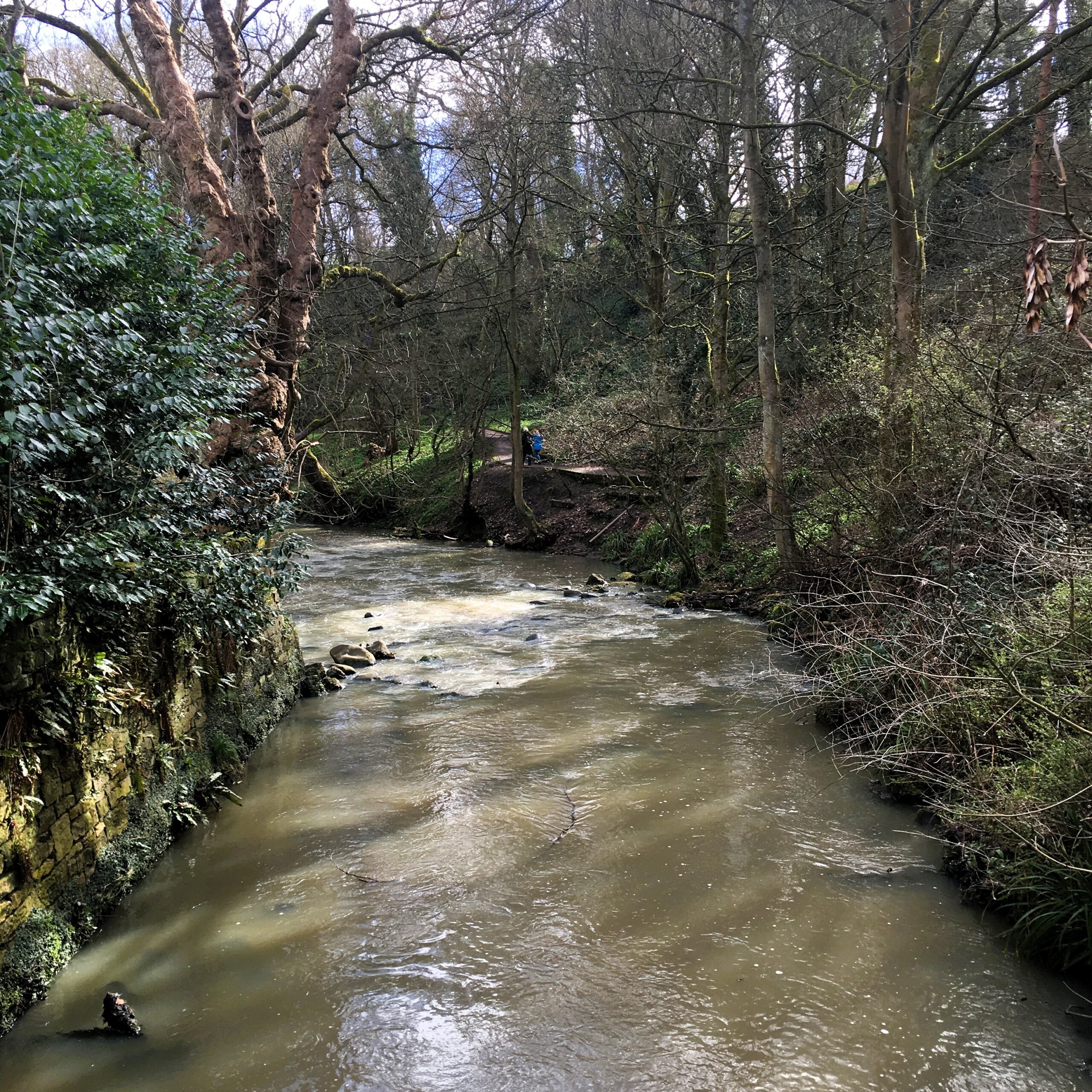
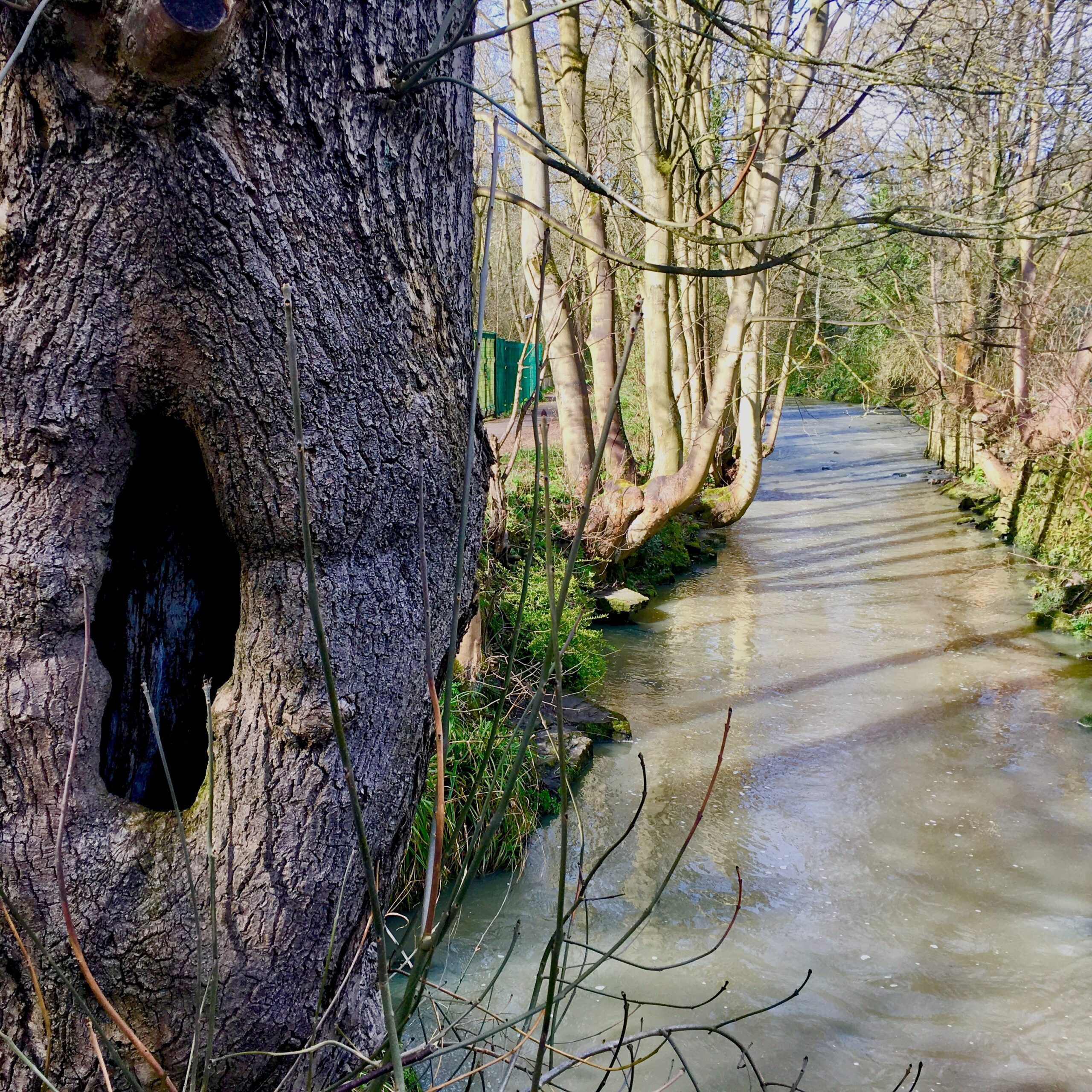
Jesmond Dene is a wooded valley in the heart of Newcastle upon Tyne, sitting between Jesmond, Heaton and South Gosforth. The River Ouse Burn runs through it, linking the Dene with a wider network of parks, green spaces and local neighbourhoods.

Its paths also connect with nearby places like Jesmond Vale and Paddy Freeman’s Park, making it an important part of Newcastle’s wider green corridor.


What is the historical significance of Jesmond Dene?

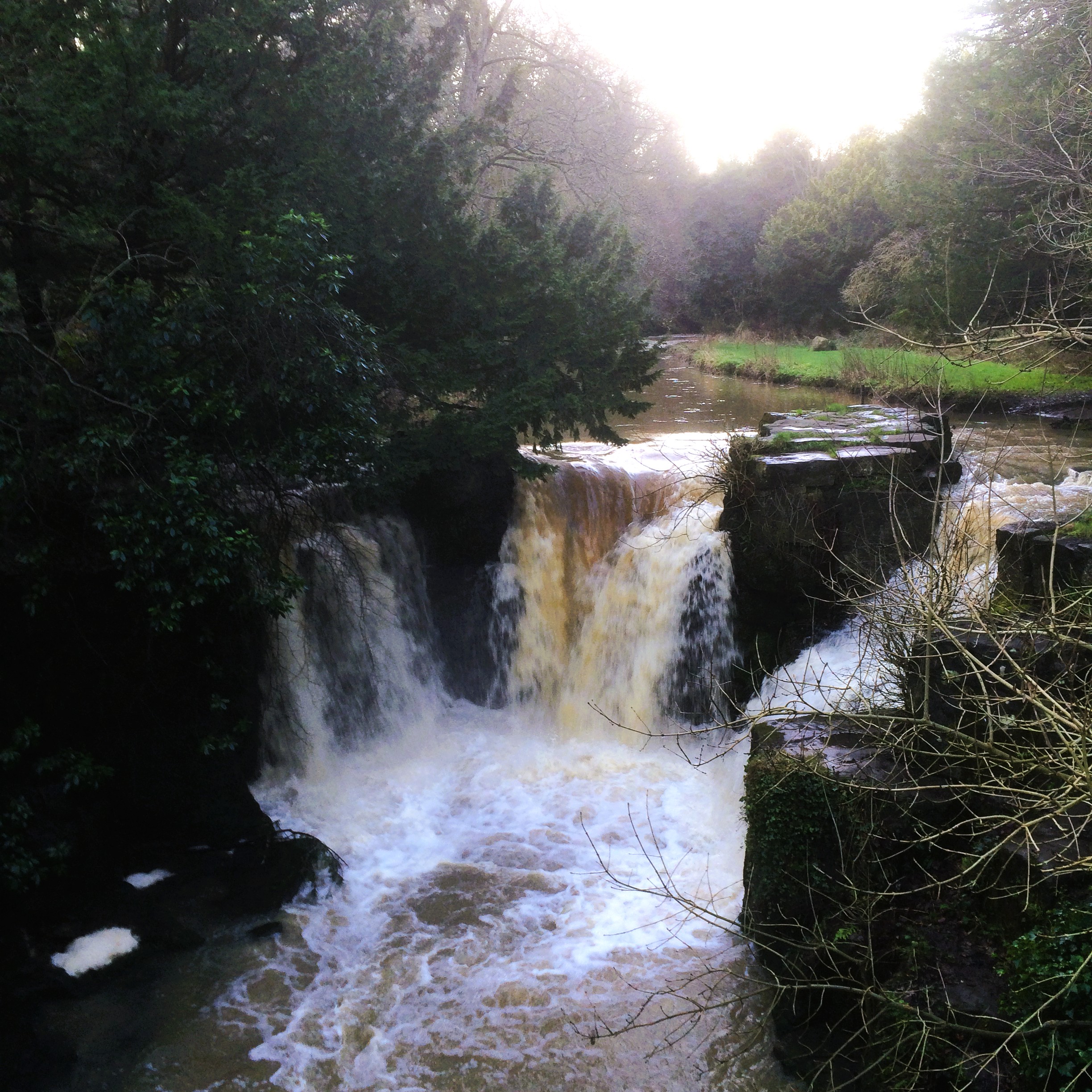
Jesmond Dene has a rich natural and industrial story. The steep valley was shaped by the Ouse Burn, and the river was once used to power mills during the Industrial Revolution.

One of its best-known chapters began in the 19th century, when industrialist and engineer Lord Armstrong bought much of the Dene. He turned it into a landscaped private garden, planting exotic trees and creating features such as waterfalls and a grotto.

In 1883, Armstrong gave the Dene to the people of Newcastle. It opened as a public park the following year and has been a much-loved green space ever since.

Since then, the Dene has continued to change and grow through public investment, conservation work, community involvement and the changing ways people use green spaces.


Why is Jesmond Dene important to the Ouse Burn Way?

Jesmond Dene is central to the Ouse Burn Way because it sits right at the heart of the Ouse Burn’s green corridor. It brings together things you don’t often find so close to the city: woodland, a river, waterfalls, historic buildings, industrial heritage, wildlife and places to walk, play and relax. It’s also part of a much bigger ecological and recreational network running through Newcastle and beyond.

The steep valley can make you feel as though you’ve stepped away from the city, even though local neighbourhoods are all around it. People come here to walk, exercise, spot wildlife, enjoy the views or simply spend a bit of time beside the river.

Pets’ Corner, which opened in the 1960s, and the play areas are also an important part of Jesmond Dene’s appeal, especially for families with young children. Pets’ Corner offers free access to animals in the heart of the park and helps introduce new generations to the Dene.

Alongside improvements to playgrounds and family facilities, it supports the Dene’s role as a welcoming public space where people can spend time outdoors, explore nature and build lasting connections with the park.


What wildlife can you see in Jesmond Dene?

Across the UK, nature is under pressure, and the 2023 State of Nature report described the UK as one of the most nature-depleted countries on Earth.

Jesmond Dene still supports a rich variety of wildlife for an urban valley, but it is not immune from those wider trends. Bird numbers have changed, some once-familiar species are now rarely seen, butterflies can be scarce, and pollution, low water levels and invasive plants all affect the health of the valley’s habitats.

If you keep your eyes and ears open, you might spot kingfishers along the river, wagtails or the occasional egret near the water and woodland birds in the trees. The Dene remains unusually rich in wildlife for an urban area, but sightings vary and some species that were once more familiar are now much less common.

The river is especially important. A healthier Ouse Burn would create better conditions for aquatic wildlife and support the wider food chain. The challenge is finding the right balance: making space for people to enjoy the Dene while also giving nature room to thrive.

Biodiversity in Jesmond Dene is both valuable and vulnerable. The valley still offers important habitats for birds, insects, plants and aquatic life, but these habitats need active care if they are to remain healthy. Improving water quality, managing invasive species, protecting woodland and creating better links with nearby green spaces could all help nature recover and make the Dene more resilient for the future.


How will Jesmond Dene benefit from the Ouse Burn Way Vision?

The Ouse Burn Way gives Jesmond Dene a chance to build stronger links with the communities and green spaces around it, while also helping to safeguard and replenish the natural environment of the wider Ouse Burn Valley. The vision includes regenerating Jesmond Dene and making better connections with Paddy Freeman’s Park and nearby communities in High Heaton and Jesmond.

Better walking and cycling links could make it easier for people to get to the Dene without needing a car, while stronger ecological links could help wildlife move through the wider Ouseburn corridor.

Improving the health of the Ouse Burn is an important priority, alongside opportunities to enhance paths, manage vegetation, address land slips and improve fencing. Together, these improvements could make the valley more accessible, resilient and welcoming, while protecting and enhancing its rich natural environment.


What work is happening in Jesmond Dene now?

Jesmond Dene is still managed as a major public park, with ongoing work to look after its landscape, facilities, paths, woodland and habitats. Despite the improvements still needed, Jesmond Dene has held the Green Flag Award for 13 consecutive years, recognising the quality of its management and value as a public green space.

At the same time, the Ouse Burn Way vision explores how Jesmond Dene can be better linked with nearby parks and communities as part of a much larger green corridor.

Community groups also play an important role. The Friends of Jesmond Dene, for example, is a volunteer-run charity that works to preserve, enhance and promote the Dene’s natural and cultural environment. And The Armstrong Project is a recently established charity focused on restoring the Grade II-listed Jesmond Dene Banqueting Hall and developing it as a place for learning, discovery and community use.

Recent and planned improvements also include work around Pets’ Corner and the playgrounds.


What about Jesmond Dene’s historic buildings?

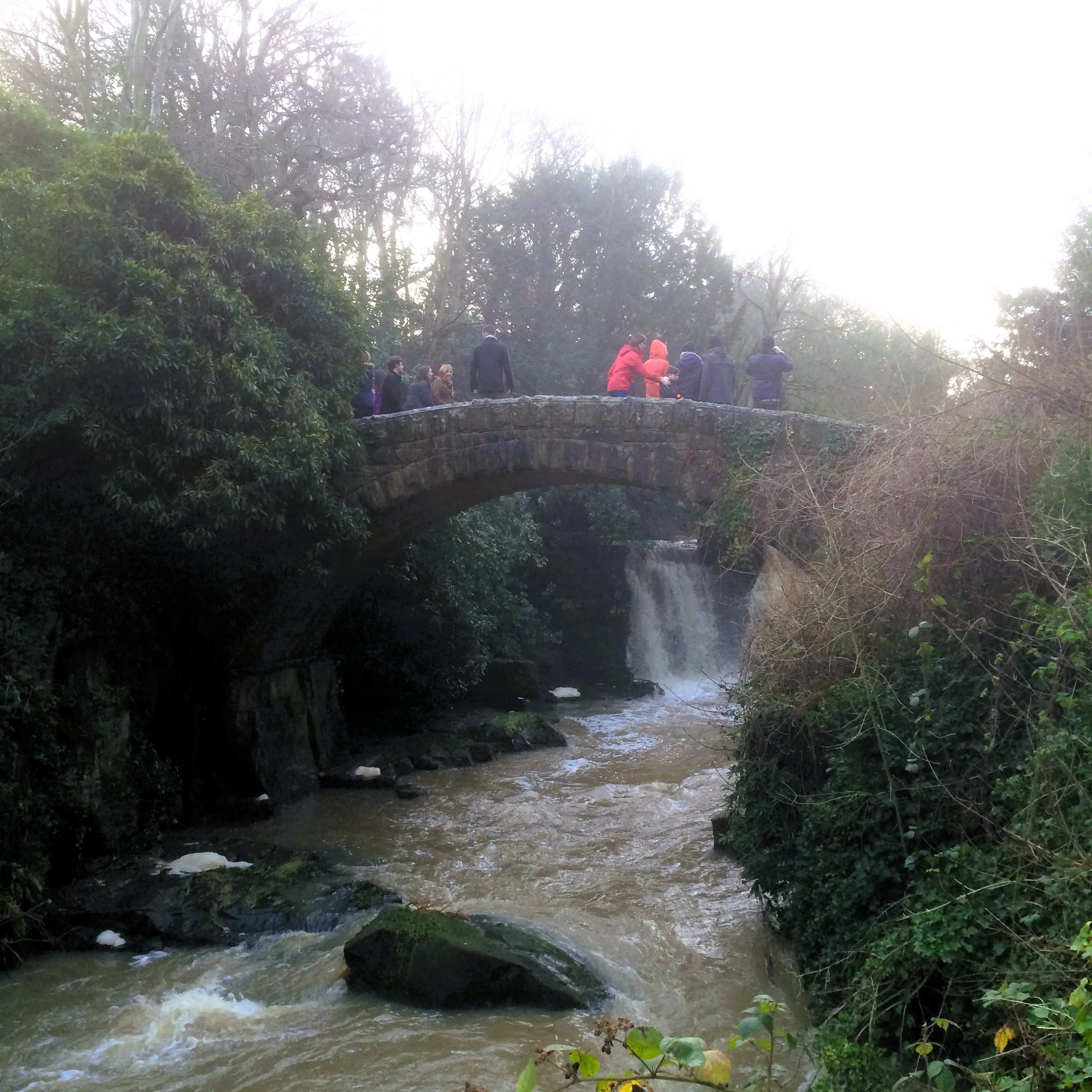
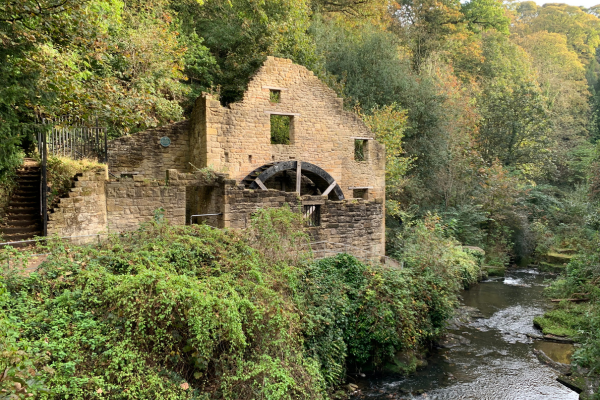
The Banqueting Hall, Old Mill, Armstrong Bridge and other historic features all tell different parts of the Dene’s story – from its industrial past and Lord Armstrong’s Victorian landscape to its life today as a much-loved public park.

The Ouse Burn Way Improvement Plan acknowledges that the valley is rich in cultural and industrial heritage, with historic parks, buildings and structures reflecting its important role in Newcastle’s past. But also that some heritage assets are underused, in poor condition or disconnected from the wider landscape, while their stories are not always well known or accessible to local communities and visitors.

It highlights that Jesmond Dene, in particular, would benefit from a cohesive approach to restoring and enhancing its heritage. Opportunities include a Jesmond Dene masterplan, heritage-led regeneration, improved connections between historic sites and greater use of storytelling and interpretation to bring the valley’s history to life.

The historic Banqueting Hall is a key part of Jesmond Dene’s heritage, and work is now being explored to see how its future could be secured. The Reece Foundation Ouse Burn Way Fund is supporting The Armstrong Project CIO to develop a Strategic Case and Outline Design for transforming the Banqueting Hall complex. This work will look at whether it is feasible, valuable and sustainable to bring the complex back into use as a multi-use cultural and community hub.

In addition, a feasibility study into the future of Deep Dene House – the former Fisherman’s Lodge which has been derelict for several years – is starting with the support of Newcastle City Council and the Tyne and Wear Building Preservation Trust.


How will water quality be improved?

Improving the health of the Ouse Burn is one of the biggest ambitions of the Ouse Burn Way. To improve the river, partners first need to understand what is affecting it. The Reece Foundation is supporting research by Newcastle University to learn more about water quality in the Ouse Burn and the factors that influence it.

This research is helping build a clearer picture of the river’s condition, where pollutants may be coming from and how water quality changes along the Ouse Burn. That knowledge will help partners work out where action could make the biggest difference and guide future investment to improve the river’s health.

The Reece Foundation, Northumbrian Water and other partners are working towards a long-term clean water strategy, and Northumbrian Water’s £6m Ouseburn storm overflow project is now expected to begin this autumn.

A cleaner river would be good news for people, wildlife and the whole Ouse Burn corridor.

Why is Jesmond Dene important for the future of the Ouse Burn Way?

Jesmond Dene shows what can happen when nature, heritage and communities come together. Its history reminds us why investing in public green space matters. Its wildlife shows why urban nature needs active protection. And its position in the Ouse Burn valley makes it a vital part of creating a greener, healthier and more connected route for the future.

Keep up to date

Stay updated on The Ouse Burn Way! Sign up for our newsletter for the latest news and progress on our vision. You can unsubscribe anytime. View our privacy policy.

"*" indicates required fields

Download our Vision Document

Our in-depth brochure outlines all of our proposed plans.

"*" indicates required fields